Most travelers rush through Cambodia on a whistle-stop Siem Reap temple tour. Slow down — this country rewards those who linger with warm smiles, haunting history, and some of Southeast Asia's most underrated landscapes.
Angkor: How to Do It Right
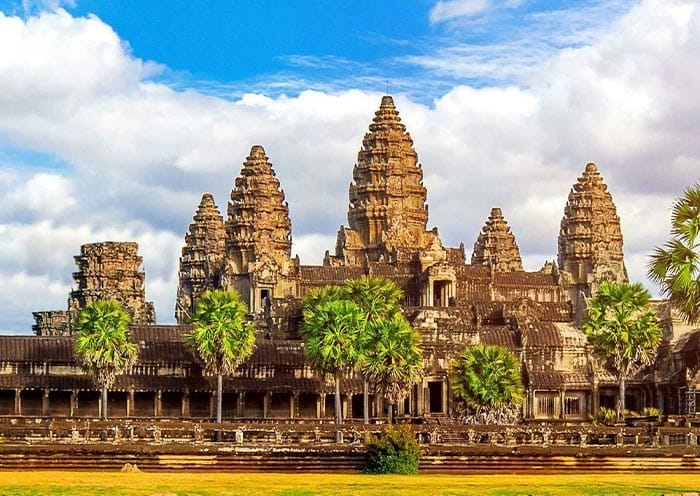
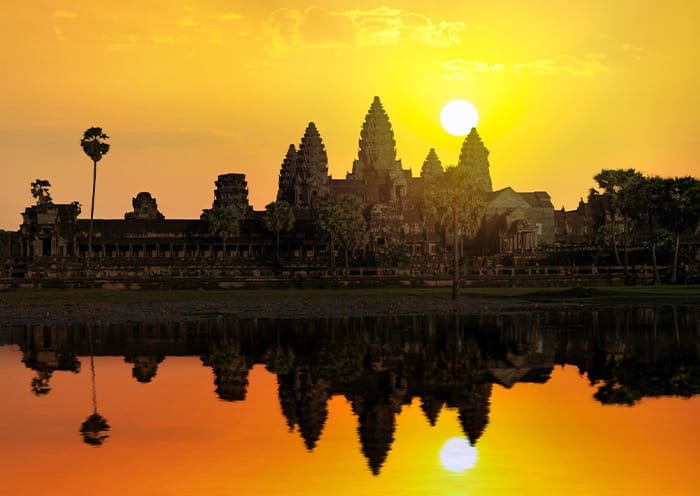
Angkor Archaeological Park spans 400 square kilometers and contains over 1,000 temples. Don't try to see it all. The essential circuit: sunrise at Angkor Wat (enter through the west gate by 5am), morning exploring Angkor Thom and the Bayon (200+ massive stone faces), afternoon at Ta Prohm (the jungle temple), and sunset from Pre Rup. Buy the 3-day pass — it gives you breathing room to explore at a human pace.
Tonlé Sap Floating Villages
Southeast Asia's largest freshwater lake expands to five times its dry-season size when the Mekong floods. Whole communities live on the water — floating schools, churches, shops, and even pig pens. Visit Kompong Khleang, the least touristy of the floating villages, to see a way of life that has existed for centuries.
Phnom Penh
Cambodia's capital has emerged from its tragic past as one of Asia's most interesting cities. The Royal Palace and Silver Pagoda are beautiful. The Tuol Sleng Genocide Museum and Killing Fields are essential, sobering stops to understand modern Cambodia. Then, experience the present: the riverfront promenade at dusk, craft beer at a rooftop bar, and some of the best-value fine dining in the region.
Kampot & Kep
Sleepy riverside Kampot is famous for pepper (the best in the world, they claim) and crumbling French colonial architecture. Rent a motorbike and explore Bokor National Park. Nearby Kep was once Cambodia's most glamorous seaside resort — today its crab market serves the best seafood in the country.