Lhasa sits at 3,656 meters — that higher than the summit of Mt. Whitney in the continental US, higher than any city in Europe, and higher than La Paz, Bolivia. At this altitude, the air contains 37% less oxygen than at sea level. Altitude sickness is real, but it's also almost entirely preventable. Here's how.
What to Expect: Normal Symptoms
Almost everyone feels something in their first 24-48 hours in Lhasa. Normal: mild headache, shortness of breath when walking uphill, fatigue, trouble sleeping, faster heartbeat. These are NOT dangerous — they're your body adapting. What's NOT normal: severe headache that doesn't respond to painkillers, vomiting, confusion, inability to walk straight — these may indicate HACE/HAPE and require immediate descent and medical attention.
The Golden Rule: Ascend Slowly
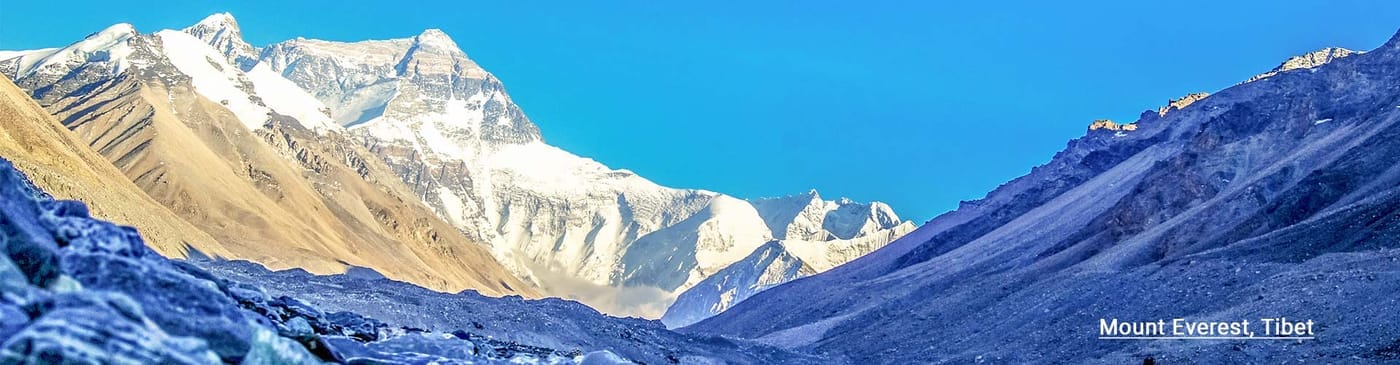
Your body needs time to produce more red blood cells and adjust your breathing. The most effective prevention is simple: build acclimatization days into your itinerary. Fly into Lhasa (3,656m) and spend 2-3 days exploring the city before heading higher to Everest Base Camp (5,150m) or Namtso Lake (4,718m). Never fly directly from sea level to destinations above Lhasa. Book a tour that includes Lhasa acclimatization days — our Tibet tours all build in 2-3 days before higher altitudes.
Hydration & Diet: Your Two Best Friends
Drink 3-4 liters of water per day — yes, really. Dehydration mimics altitude symptoms, so staying hydrated is your first line of defense. Avoid alcohol completely for the first 3 days (it depresses breathing and dehydrates). Eat light, carbohydrate-rich meals — carbs require less oxygen to metabolize. Tibetans swear by yak butter tea, but many travelers find it an acquired taste. Ginger tea is a gentler alternative.
Medication: Diamox & Other Options
Acetazolamide (Diamox) is the most studied altitude medication. It works by acidifying your blood, which stimulates breathing and speeds acclimatization. Typical dosage: 125-250mg twice daily, starting 1-2 days before ascent and continuing for 48 hours at altitude. Side effects include tingling fingers/toes and increased urination. Consult your doctor before using — Diamox is a prescription medication with contraindications. Ibuprofen can help with mild altitude headaches. Portable oxygen cans are sold everywhere in Lhasa for quick relief, but they're a temporary crutch, not a solution.
Who Should Be Extra Careful
Altitude affects everyone differently, and fitness level is NOT a predictor — marathon runners can get altitude sickness while couch potatoes feel fine. Higher risk if you: have heart or lung conditions, are pregnant, have had altitude sickness before, or are flying directly from sea level. Our Travel Guide has detailed health tips. See our Lhasa Monasteries guide for what to do once you're acclimatized!