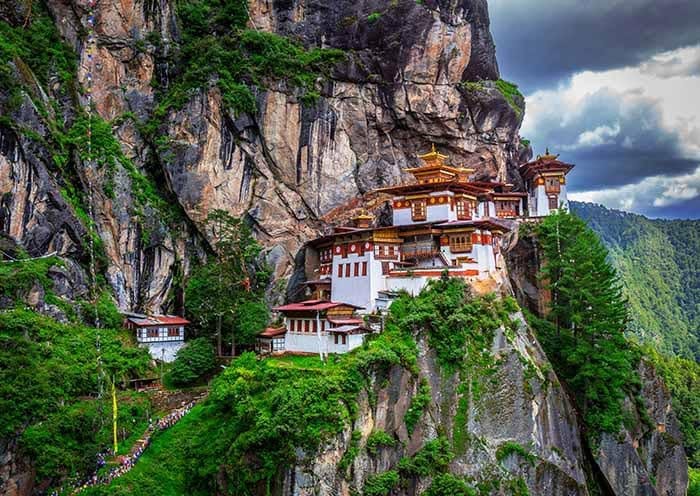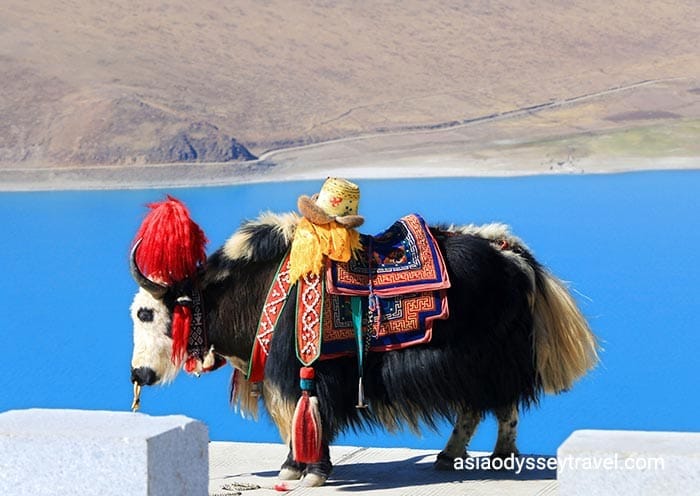
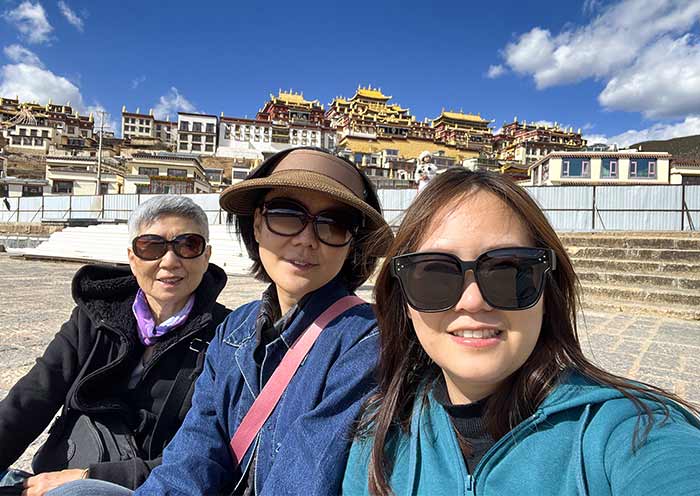
Traveling to the "Roof of the World" requires more planning than your average trip, but the reward — turquoise lakes at 4,500m, ancient monasteries clinging to cliffs, and the profound spirituality of Tibetan Buddhism — is unmatched.
Permits: What You Need
All foreign travelers need a Tibet Travel Permit (TTP) issued by the Tibet Tourism Bureau. You must book through a registered tour operator (like Asia Wonder Tours) — independent travel is not permitted. We handle all paperwork. You'll need: a valid passport copy, Chinese visa, and confirmed tour booking. Apply at least 20 days before travel.
Altitude: The Most Important Thing
Lhasa sits at 3,650m. You WILL feel the altitude for the first 1-2 days — headaches, shortness of breath, fatigue. Our itineraries build in Lhasa acclimatization days. Key rules: ascend slowly, drink 3-4 liters of water daily, avoid alcohol for the first 3 days, and take Diamox if your doctor approves. Most people acclimatize within 48 hours.
Lhasa Highlights
Potala Palace: The iconic 13-story palace dominates Lhasa's skyline. Book tickets days in advance (your guide handles this). The climb is steep — take it slow. Jokhang Temple: Tibet's most sacred temple, where pilgrims prostrate in devotion. Join the Barkhor Circuit kora with chanting locals. Sera Monastery: Visit at 3pm for the famous monk debates — animated philosophical arguments with dramatic hand-slapping gestures.
Best Season
May–October is the Tibet travel window. May and October offer the clearest skies. July–August is warmer but has more rain. Winter (November–April) is brutally cold and many areas are inaccessible, but Lhasa itself can be visited year-round.