The Silk Road wasn't a single road — it was a sprawling network of trade routes that connected China to the Mediterranean for over 1,500 years. Today, the Chinese section offers some of the country's most extraordinary travel experiences: ancient Buddhist caves, rainbow-colored mountains, bustling Central Asian bazaars, and desert oases frozen in time. Here are the 16 Silk Road attractions you absolutely cannot miss.
1. Terracotta Warriors (Xi'an): Where the Silk Road Began
Xi'an (ancient Chang'an) was the eastern terminus of the Silk Road, and the Terracotta Warriors — 8,000 life-sized soldiers guarding Emperor Qin's tomb since 210 BCE — represent the power that launched a thousand caravans. Visit Pit 1 for the grand spectacle, Pit 2 for the command center, and the Bronze Chariot exhibition for exquisite craftsmanship. Explore Xian tours →
2. Mogao Caves (Dunhuang): 1,000 Years of Buddhist Art
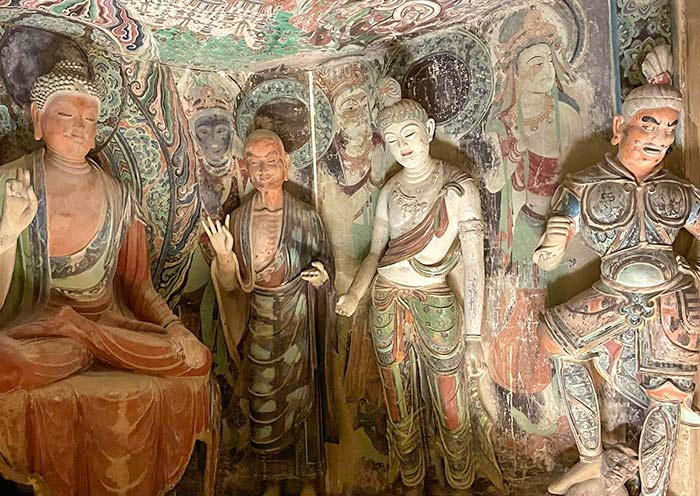
UNESCO-listed and breathtaking, the Mogao Caves contain 492 preserved grottoes with murals spanning 1,000 years of Buddhist art — 45,000 square meters of paintings and 2,000 painted sculptures. Cave 45 and Cave 158 (the Sleeping Buddha) are absolute must-sees. Visit with a guide — the history of each mural adds layers to your experience. Browse Gansu Silk Road tours →
3. Zhangye Danxia Rainbow Mountains: Nature's Palette
The Zhangye Danxia Landform looks photoshopped but is 100% real — 24 million years of mineral deposits created these surreal rainbow-striped peaks. Visit late afternoon when the low sun makes the colors pop most vividly. Boardwalks and viewing platforms make it accessible for all fitness levels. Pro tip: Entry after 4pm gives you golden hour light with smaller crowds.
4. Jiayuguan Fort: The Great Wall's Western End
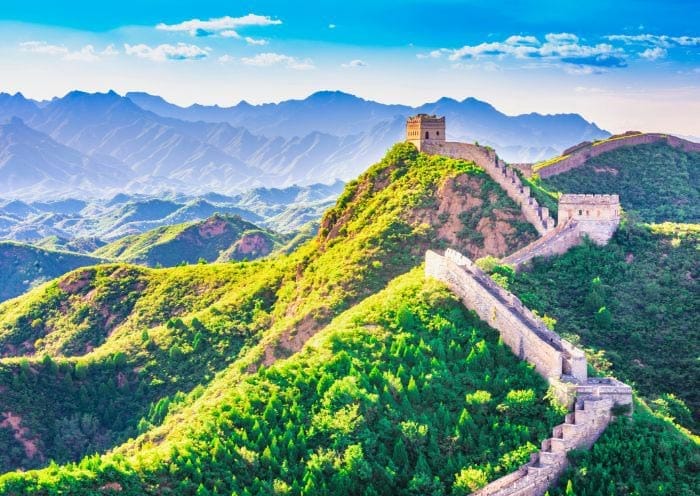
Where the Great Wall meets the Silk Road. Jiayuguan Pass — the "First and Greatest Pass Under Heaven" — marks the westernmost point of the Ming Dynasty Great Wall. The fort sits dramatically between snow-capped Qilian Mountains and the black Gobi Desert. Climb the tower at sunset for a view that hasn't changed in 600 years. See Silk Road tours →
5. Kashgar Sunday Bazaar: Central Asia's Greatest Market
For 2,000 years, merchants have gathered at Kashgar's Sunday Bazaar — today it's Central Asia's largest outdoor market. Donkeys, carpets, spices, and Uyghur bread (naan) create an atmosphere more Central Asian than Chinese. The adjacent Id Kah Mosque — China's largest — adds spiritual depth. Visit on Sunday morning for the full experience. Explore Xinjiang tours →
6. Turpan's Grape Valley & Jiaohe Ruins
Turpan is China's hottest city (summers hit 45°C+), but its oasis vitality has sustained Silk Road travelers for millennia. Jiaohe Ancient City — a 2,300-year-old city carved from raw earth — is one of the world's best-preserved earthen ruins. The Karez irrigation system (an engineering marvel rivaling the Great Wall) brings glacial meltwater to the desert, creating lush grape valleys.
7-16: Heavenly Lake, Kizil Caves, Qinghai Lake & More
Heavenly Lake (Tianshan): Alpine lake at 1,900m near Urumqi, with snow-capped peaks reflecting in turquoise water. Kizil Thousand Buddha Caves: Older than Mogao, with unique Central Asian-influenced murals near Kuqa. Qinghai Lake: China's largest lake, shimmering on the Tibetan Plateau — July brings seas of yellow rapeseed flowers. Labrang Monastery (Xiahe): Tibetan Buddhism's most important monastery outside Lhasa, with a 3km kora circuit. Singing Sand Dunes (Dunhuang): Ride a camel at sunset as the dunes literally sing in the wind. Sunday Bazaar (Hotan): More authentic and less touristy than Kashgar — silk, jade, and carpets.
Plan Your Silk Road Journey
The classic Silk Road route takes 8-14 days: Xi'an → Lanzhou → Zhangye → Jiayuguan → Dunhuang → Turpan → Urumqi → Kashgar. High-speed trains now connect Xi'an to Lanzhou (3h), making the eastern section easy. For detailed planning, see our Best Time to Visit Asia guide and the Travel Guide weather table.