Asia's national parks protect some of Earth's most jaw-dropping landscapes — soaring sandstone pillars, turquoise alpine lakes, volcanic summits, and the world's highest peak. But some require multi-day treks while others are a day trip from the capital. This guide ranks 15 of Asia's best by accessibility — so you can find the right adventure for your trip style.
1. Beijing Great Wall National Park (China): The Ultimate Urban Escape
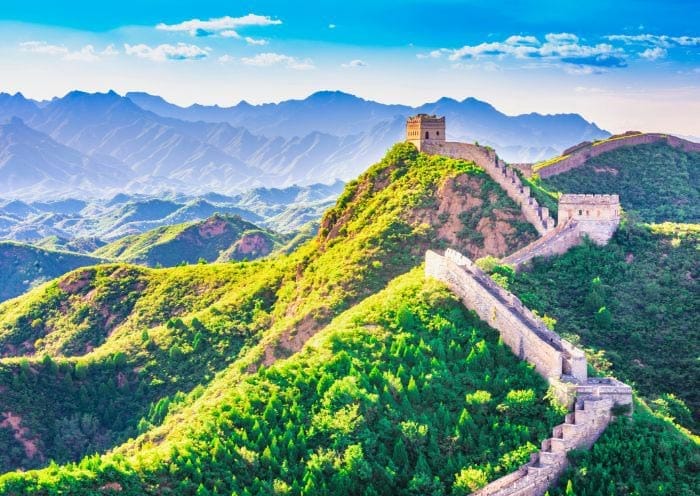
You simply can't come to Beijing without walking the Great Wall — it's the ultimate bucket-list item! This park spans about 60 km² and includes famous sections: Mutianyu (fully restored, cable car access, toboggan ride down — best for families), Jinshanling (half-restored, half-wild, the best 10km hike), and Simatai (the only section lit up at night). Accessibility: ★★★★★ — 1.5 hours from central Beijing, public buses and private cars available. Best time: April–May and September–October for clear skies and comfortable hiking temperatures. Tip: Arrive by 8am to beat the tour buses. Explore Beijing tours →
2. Zhangjiajie National Forest Park (China): The Avatar Peaks
This is where James Cameron found inspiration for the floating mountains in Avatar. Covering 398 km² of the Wulingyuan scenic area, Zhangjiajie features 3,000 quartz-sandstone pillars wrapped in mist — some over 200 meters tall. Walk the Glass Bridge (430m long, 300m above the canyon floor if you dare), ride the Bailong Elevator (world's tallest outdoor lift), and hike Tianzi Mountain for the classic sea-of-pillars view. Accessibility: ★★★★ — Fly to Zhangjiajie Hehua Airport, or 2.5h high-speed train from Changsha. Best time: April–October. Tip: Budget 3 days — the park is huge and spread across multiple areas. See Zhangjiajie tours →
3. Fuji-Hakone-Izu National Park (Japan): Tokyo's Easiest Summit View
Defined by the iconic and majestic Mount Fuji, this park covers 1,216 km² of volcanic landscape just 90 minutes from Tokyo. Ride the Hakone Ropeway over Owakudani's steaming volcanic valley, cruise Lake Ashi with Fuji reflected in the water, soak in natural hot springs, and visit the Fuji Five Lakes region for the classic postcard shot. You don't need to climb Fuji to experience it — the views are best from below! Accessibility: ★★★★★ — 90 min from Tokyo via Odakyu Romancecar. Best time: November–February for clearest Fuji views; July–August for climbing season. Tip: Get the Hakone Free Pass for unlimited transport. Browse Japan tours →
4. Giant Panda National Park (China): Closest Panda Day Trip
This massive 27,134 km² park spans Sichuan, Shaanxi, and Gansu provinces, protecting over 80% of the world's wild giant pandas. The most accessible gateway is the Chengdu Research Base of Giant Panda Breeding — see dozens of pandas (including babies in summer) in a lush, naturalistic setting just 30 minutes from downtown Chengdu. Accessibility: ★★★★★ — 30 min from Chengdu city center. Best time: March–May and September–November; visit before 9am when pandas are most active. Tip: Combine with Sichuan food tour and the Leshan Giant Buddha. Explore Chengdu tours →
5. Chitwan National Park (Nepal): Rhino Safaris near Kathmandu
Nepal's first national park is a genuine jungle adventure — 932 km² of grassland and sal forest, home to one-horned rhinos, Bengal tigers, elephants, and crocodiles. Take a dawn jeep safari, a dugout canoe ride on the Rapti River, and a guided walk with Tharu naturalists. Accessibility: ★★★★ — 5-hour drive or 25-minute flight from Kathmandu. Best time: October–March (dry season, best wildlife viewing). Tip: Stay 2-3 nights for the best chance of tiger sightings. See Nepal tours →
6. Kinabalu National Park (Malaysia): Borneo's Towering Climb
Home to Mount Kinabalu (4,095m), Southeast Asia's highest peak between the Himalayas and New Guinea. The UNESCO site protects incredible biodiversity — more plant species than all of Europe in just 754 km². The 2-day summit climb is achievable by fit beginners (no technical gear needed). Accessibility: ★★★ — 2-hour drive from Kota Kinabalu; summit permits limited, book 6 months ahead. Best time: February–April. Tip: Train on stairs before your trip — the climb is 8.7km of steps. Browse Malaysia tours →
7. Hustai National Park (Mongolia): Wild Horse Steppe Getaway
Just 100km from Ulaanbaatar, Hustai is where the Przewalski's horse (takhi) — the world's last truly wild horse — was successfully reintroduced after extinction in the wild. The 506 km² of rolling steppe also shelters marmots, red deer, and wolves. Accessibility: ★★★★ — 2 hours from Ulaanbaatar. Best time: June–September. Tip: Stay overnight in a traditional ger camp for the full experience. Explore Mongolia tours →
8. Khao Sok National Park (Thailand): Bangkok's Weekend Elephant Escape
This 739 km² ancient rainforest — older and more diverse than the Amazon — is dominated by towering limestone karsts and the emerald Cheow Lan Lake. Stay in floating bungalows, kayak through submerged forests, and trek to spot gibbons and hornbills. Ethical elephant encounters available at nearby sanctuaries. Accessibility: ★★★ — 1 hour from Surat Thani (fly from Bangkok) or 4 hours from Phuket. Best time: December–April (dry season). Tip: Book a 2-night lake stay — the floating bungalow sunrise is unforgettable. See Thailand tours →
9. Charyn Canyon National Park (Kazakhstan): Almaty's Grand Canyon Detour
Often called Central Asia's Grand Canyon, this 154km-long red rock canyon cuts through the Kazakh steppe just 3 hours from Almaty. The Valley of Castles section is the highlight — surreal wind-carved formations glowing red at sunset. Far fewer tourists than its Arizona counterpart. Accessibility: ★★★★ — 3-hour drive from Almaty. Best time: April–June and September–October. Tip: Combine with nearby Kolsai Lakes for a perfect 2-day trip. Browse Central Asia tours →
10. Taman Negara National Park (Malaysia): Ancient Rainforest Getaway
One of the world's oldest rainforests at 130 million years, Taman Negara spans 4,343 km² of pristine jungle. Walk the world's longest canopy walkway (530m, suspended 40m high), trek to Gunung Tahan (Peninsular Malaysia's highest point), and take a night safari to spot civets and slow loris. Accessibility: ★★★ — 3 hours from Kuala Lumpur by road + boat. Best time: March–September (drier months). Tip: The canopy walkway closes Thursdays — plan around it. Explore Malaysia tours →
11. Yala National Park (Sri Lanka): The Leopard Hotspot
Yala has one of the highest leopard densities on Earth — if you want to see a wild leopard, this is your best bet. The 979 km² park also hosts elephants, sloth bears, crocodiles, and 200+ bird species. Accessibility: ★★★★ — 5 hours from Colombo or 1 hour from the south coast resorts. Best time: February–June (dry season, best leopard sightings). Tip: Book the 5am safari slot — leopards are most active at dawn. See Sri Lanka tours →
12. Jiuzhaigou National Park (China): Fairytale Lakes — Remote but Worth It
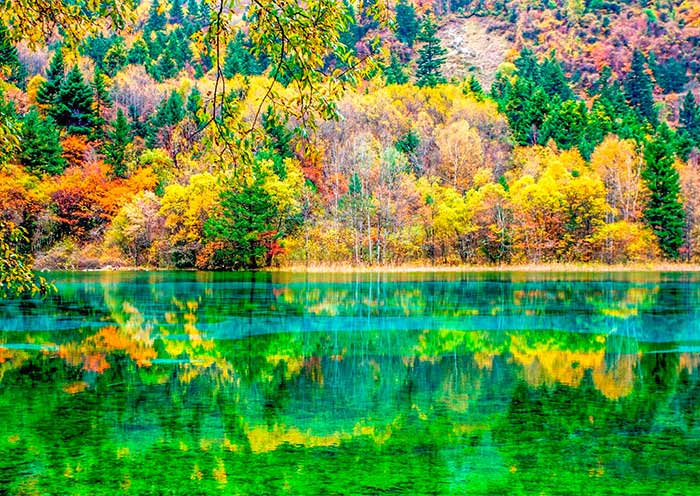
Jiuzhaigou's five-color pools, multi-tier waterfalls, and crystal-clear lakes are so vivid they look Photoshopped — but they're real. The 720 km² UNESCO site in northern Sichuan features turquoise lakes terraced down a forested valley. Accessibility: ★★ — Fly to Jiuzhai Huanglong Airport (1h from Chengdu) or bus 8-10 hours. Best time: October for autumn colors; closed December–March. Tip: The park reopened fully in 2025 after earthquake repairs — visit before the crowds return. Browse Chengdu tours →
13. Komodo National Park (Indonesia): Dragons & Pink Beaches
Home to the Komodo dragon — the world's largest lizard, growing up to 3 meters — found nowhere else on Earth. But the real star is underwater: Komodo has some of the world's best diving, with manta rays, sharks, and pristine coral. Don't miss Pink Beach, one of only seven in the world. Accessibility: ★★ — Fly to Labuan Bajo (1h from Bali), then boat. Best time: April–November (dry season). Tip: Always trek with a ranger — Komodo dragons are dangerous and fast. Explore Indonesia tours → and see our Best Islands guide.
14. Qomolangma National Park (Tibet, China): Everest Base Camp Trek
You don't have to climb Everest to stand at its foot. The Tibetan side's North Base Camp (5,150m) is accessible by road — drive across the Tibetan Plateau, past turquoise lakes and nomadic camps, to gaze at Everest's north face filling the sky. The park covers 33,800 km² and includes the world's highest monastery, Rongbuk Monastery. Accessibility: ★★ — 3-day drive from Lhasa; Tibet Travel Permit required. Best time: April–May and September–October. Tip: Spend 2-3 days acclimatizing in Lhasa (3,650m) first. See Tibet tours →
15. Khao Yai National Park (Thailand): Easy Wildlife Escape from Bangkok
Just 2.5 hours from Bangkok, Khao Yai is Thailand's oldest and most accessible national park — 2,168 km² of monsoon forest, grasslands, and spectacular waterfalls (including the one from The Beach). Spot wild elephants, gibbons, hornbills, and occasional tigers. Accessibility: ★★★★★ — 2.5 hours from Bangkok. Best time: November–February (cool and dry). Tip: Join a guided night safari — most wildlife is nocturnal here. Browse Thailand tours →
Plan Your Park Adventure
Whether you want an easy day trip from a capital city or a multi-day expedition into the wild, Asia's national parks deliver experiences you won't find anywhere else. Check our Travel Guide for weather tables and best seasons for each country. For more nature inspiration, see Top 20 Places to Visit and Asia's Most Beautiful Natural Places.